5 tips to avoid blocked toilets

Posted on

Of all the plumbing issues a homeowner could experience, a blocked toilet must rate as the worst. Funnily enough, introducing kids to your household increases the risk of the dreaded blocked loo. Whether they’re chucking loo roll or toys down there, I can guarantee you you’ll have your hands down the toilet at least ten times in your parenting career.

Thankfully there are steps one can take to greatly reduce the chances of such an event occurring. If you would like to avoid having toilet troubles, here are some tips to reduce the chances of a blocked toilet.

Avoid putting miscellaneous things down the toilet

This might sound obvious, but it’s an all too common problem. The toilet is designed for human waste and absolutely nothing else (aside from toilet tissue), so avoid using it as a waste disposal option.. or indeed a swimming pool for ‘someone’s’ toy soldiers. Sanitary towels, baby wipes and small toys are a major cause of toilet blockages, and if you educate all family members about this, so much the better.

Regular Cleaning

Okay it’s the worst job out of all of them, but toilet bowls should be cleaned regularly. No need for fancy detergents either as vinegar or baking soda is ideal for this - so there’s no excuse for not getting it done.

Not only is a clean toilet more hygienic, it will prolong the life of your porcelain and lessen the chances of a blockage. Using a plunger often will also keep things flowing nicely, so search for a trusted plumbing supply store like Trading Depot and stock up on all the plumbing supplies you need. I imagine there’s nothing worse than having to leave a blocked toilet and nip to your nearest hardware store - far better to have these things handy at home for emergencies.

Hot Water Flushes

If you pour a few litres of hot water into the bowl and flush it, this helps eliminate any partial blockages and keep the inner surfaces smooth. It really isn’t a good idea to use chemicals, as they can have an adverse effect on waste water pipes. As odd as it might be, getting to know the inner workings of a toilet cistern really will hold you in good stead should the worst happen - you might be able to save the cost of calling out a plumber too.

Replacing worn components

If you take a look under the cistern cover, you will see the ballcock mechanism which turns the water on and off. Flush the toilet while looking into the cistern, and familiarise yourself with how various components work, including the ball stop valve, which should turn off the water when it reaches the line. Inspect this regularly to check for any minor malfunctions and you could save yourself a much more significant job later on.

There are online plumbing material suppliers who have an extensive inventory of parts, and all at trade prices too, so anything you need is easily ordered. Look on YouTube for tutorials and you should be able to replace the defective component yourself without a plumber.

Use a Bowl Brush

The traditional toilet brush should be used to good effect on a weekly basis, and all it involves is pushing the brush into the opening and moving it around, while flushing a few times. It won’t hurt to put a little disinfectant around the porcelain and rinse that through the system.

***
If your home is a little on the old side, it might be that your plumbing pipes will eventually need to be replaced, but if you consider all of the above, the only toilet trouble you are likely to encounter is an upset stomach!


Rain: Good For Your Garden, But Not For Your Garden Shed? Here’s One Way To Protect It

Posted on
Capture Image by TheGardenBuzz via Flickr

Gutter systems. You may not have thought much about them, but whenever it rains, they are helping to keep your house standing. Rain can pool on rooftops, but a good drainage and guttering system will redirect water along controlled channels so it can be shunted to the ground without pooling or cascading along wood surfaces. Without your gutters, every rainfall would threaten your roof and walls with corrosion, rot, and sagging.

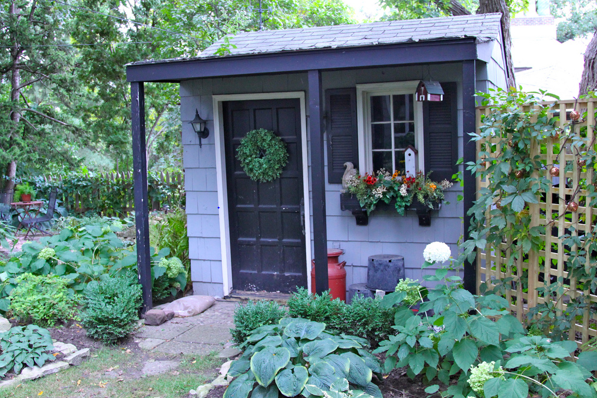
In what locations should you consider a system of mini line guttering? Consider your garden shed. It’s an invaluable structure for protecting your garden tools from rust and rainwater, but what protects it from the same? Rainwater pooled on top of the shed can seep into the wood and cause the roof to sag; soggy wood can start to rot in the rainy seasons. A mini line guttering system from Total Pipeline can easily and elegantly solve this problem, swiftly shunting water away from the roof and out a system of gutters onto the ground.

Have you decided to build a garden greenhouse? For hot-house vegetables like tomatoes, it’s an excellent investment, but where the cold weather also brings heavy rains, the weight can pose a threat as well. Total Pipelines can recommend a system of mini line guttering to redirect rainwater from the greenhouse roof to your flowerbed and vegetable patch, where the rain can actually do some good.

The products

Total Pipeline offers quality products for whatever your home and gardening needs. Whether you are seeking a full or a mini line guttering system, the piping and guttering pieces they offer are the best quality available for purchase. Pipes and gutters from Total Pipeline are durable and rust-resistant, so they will serve well and long. Piping joints and outputs provide a tight, secure fit to prevent unnecessary leakages and to deliver water away from your rooftops and onto the ground with a minimum of unnecessary splashing.

The Services

Their staff of trained professionals are ready to serve you and are dedicated to putting your needs first. If you need ideas as to what guttering system best suits your needs, their staff will give you expert advice that focuses on your needs, taking into account the size of your structure and your budget, as well as a long history of understanding the mechanics of guttering systems and the needs of home-owners with large or smaller residences, as well as the special needs for outdoor structures and garden buildings.

They stand ready to advise you on the best possible fit of their products and services to your home and garden needs. If you have built a garden greenhouse or tool shed, if you have a wooden fence that can be protected by a gutter, or if you are planning any outdoor construction products, particularly made of wood or involving large flat surfaces, a system of appropriately sized gutters can spell the difference between a long-lived building and a never-ending rebuilding project. Before you embark on this project, consider contacting them to consult on an appropriate system of gutters to protect your investment and outdoor dreams.


Nursery Design Ideas

Posted on

Perhaps you have already had your first child and need a refresher on the do’s and don’ts of putting together the newborn’s room, or it is your first one and you could are anxious to know how to combine taste, budget and longevity all in one. It is an exhilarating experience and one that you want to enjoy but it can be daunting especially when you hit the shops. These tips might help you create the perfect nursery that will grow with your child.

Style or Theme

It will help immeasurably if you can focus on one theme/concept because it will then put you in the mood to choose the necessary palette of colours and fabrics to complement your space, and to develop a cohesive design.

Paint

Focal point

Within the room there needs to be a focal point where perhaps there is a signature element. This could be the crib (this is the most common) or perhaps the alcove, large bay window or even a special piece of furniture such as a hand-crafted chest of drawers or a giraffe!

Textiles/fabric

Before you choose the paint or even pick up a brush, look and choose the fabric for the curtains - if you have bought paint on sale and it does not match, it’s a loss on every level (as well as time consuming!). Plus it is far easier to select colour with the technology of cross-matching than trying to do the same with fabric.

Paint

When you are about to choose your paint, bear in mind that it must be odourless (or at least low in odour), and in order to prevent the baby-to-be from being exposed to dangerous fumes, use a VOC-free brand.

As babies spend a great deal of time on their backs, it might be an idea to decorate the ceiling with either a soothing colour, pattern or even a mural.

Growing space

Like anywhere in the house, it takes time to really understand a space. This particular room will belong to baby for many years and it is a good idea to imagine how it will withstand all the stages of development. Will there be room for the toddler’s bed, room to stand while changing nappies beside the changing table? Making the most of the potential room space will serve you well.

Nursery

Feeding/Changing area

Newborns need feeding at various times of day and night. Look around for a comfortable chair or create a corner that will accommodate this routine. Padded armrests that are wide are handy plus an easy-clean surface.

Install a dimmer light system to maintain a soothing atmosphere at nights. This Axo collection Axo Light from Lampcommerce might just be the ticket! You can also use projected soft lights to add special effects onto the walls at night to induce baby to feed, sleep or relax. Otherwise keep a nightlight for when you need to feed late as this provides comfort.

You will also need an accessible changing and storage station for all the various cleaning paraphernalia (from nappies to lotions) so that you are not going to disturb your little one. Stock up while you can!

Lastly but not least Congratulations!

Related Posts Plugin for WordPress, Blogger...