Helping your child to socialise

Posted on

Capture

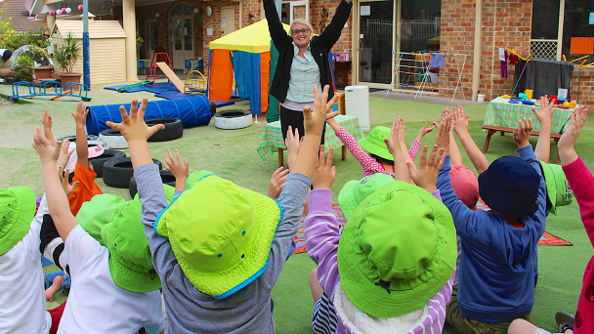
One of the most important skills you can teach your child, is how to socialise with their peers. Although it’s easy to assume that this begins with toddler classes where they are introduced to other children, in reality it begins in the home. In fact, in order to encourage your child to be a happy and productive member of society, it is important that these skills are nurtured and developed from their very first interactions with others, whether they are members of the family or friends. There’s a whole host of reading out there that helps you understand the skills your child develops through the different stages of their childhood, but here’s a few ideas for how to socialise your child in their formative years.

Becoming Adaptive

Choosing a nursery for your child can be quite overwhelming. There are many different types of nurseries, offering different hours, experiences and curriculum. As with everything nowadays, the internet is a great place to start. Pop “kindergarten near me” into Google and the results will show a number of childcare facilities local to you, including preschools, nurseries and children’s centres. You can then check out their websites to see their mission statements, the facilities on offer, and placement availability. Make a shortlist then call to arrange viewings taking a list of key questions so you know exactly what you are getting for your money, and what your child can expect.

Being able to socialise and integrate with others in a nursery setting will allow your child to become more adaptive to their surroundings. The fact you are not there, allows them to gain a little early independence, and also improve their confidence outside of their home environment. Each of us is on a journey through life that sees us encounter many different situations, with many different people, so it is important that we are adaptive, tolerant, and aware of the impact our actions have on others. A good nursery leader will help your child navigate these principles.

A Greater Chance Of Happiness

It has been shown through studies that children who are less socially adaptive are less likely to form intimate and long-lasting connections as an adult. By starting early, and teaching your child the social skills that they will need throughout their life, you are equipping them with the tools they require to have a happy and fulfilled life. The more opportunity your child has to interact with others outside of their normal circle, the better their socialisation skills will become.

A greater propensity for learning

Happy and confident children also have a keen appetite for learning. If your child is angry, aggressive, or frustrated, they are likely to be less productive at school. It is vital you communicate to your child that people are good at different things, and to be not be disheartened or jealous of others, instead, be proud and happy in yourself and other children will look to you as a friend. It is heartbreaking for parents to see their child shunned by their peers and isolated and lonely within the classroom, so ask your child who they played with daily. If a particular name crops up regularly, organise play dates outside of school to allow these early relationships to flourish.

Build Confidence & Communication Skills

One of the most demonstrable benefits of maturing social skills, is seeing your child’s confidence increasing, as well as their ability to communicate. A talkative and inquisitive child will hopefully have a hunger for knowledge, giving them the perfect start for their academic career. It is important to give children the best start possible in life by instilling a thirst for knowledge in them, allowing them to grow and develop, and find their place in our society.


Providing your child with plenty of social experiences will only benefit them as they negotiate the trials and tribulations of school-life. School days are not easy, especially when hormones kick in, or when confronted with moral and ethical dilemmas. So when all the groundwork is done, the single most important thing we as parents can do, is remain supportive and provide an open communicative home environment for our children; a haven from the excitement and drama of the playground. With this in place, you can’t go far wrong.


Preschool / Primary: How to ace your child’s parents’ evening

Posted on

ParentsEvenings

Parents’ evenings can be intimidating for both parent and teacher. Whether there are complex issues about your child’s progress to discuss or not, ensuring you get the most comprehensive feedback in those ten short minutes can ensure your child is happier and more productive at school.

Without further ado, here’s how to ace your child’s parents’ evening and ensure you’re using this one-on-one time most effectively:

Decide whether or not it’ll be productive to bring your child

My feeling on this may differ from yours, but I feel it’s best for mum and dad to do this alone. Things may arise that are difficult to discuss (behaviourial problems etc) that the teacher may want to probe, dissect or simply bring to your attention. With your child present, this discussion will include an additional layer of diplomacy, and the teacher may be inclined to soften any evidence and/or concerns.

Bring pen and paper

Within ten minutes, your teacher should impart a wealth of information. You wouldn’t interview someone without scribbling notes, so you shouldn’t rely on memory to recall what was said throughout this consultation either. Scribble down key phrases the teacher uses to describe your child (“A delight / mischievous / attentive” etc), any resources she recommends, highlights or areas for improvement.

Don’t be tempted to do this on a tablet or phone as it’s not only rude, but you’ll miss any additional cues and signs in body language that can emphasise her/his points.

Have set questions to ask

Don’t be afraid to guide the consultation when your child’s teacher has run through the key points. If you are one of the last (sets of) parents to be seen, the teacher might have been talking at length for a number for hours. Useful talking points might be:

  • Who are my child’s closest friends, and what role do they assume during play?
  • What activities does my child particularly enjoy?
  • In what areas do you consider my child to be excelling?
  • Is there anything I can do at home to help support their learning? (focusing on any areas the teacher might have suggested needs improvement)
  • Observations from home that might support or contradict what you have heard.

Be prepared to hear things you might not have expected (GOOD and bad)

I’ve recently written about my own experience of Dexter’s first parents’ evening, and there were certainly some revelations there. Your child might be very different at home to the child being described by the teacher, but both teacher and parents are equally qualified to comment. Don’t dismiss things as incorrect but do share your own experience of your child if it’s contradictory - perhaps you might have some advice that will allow your teacher to make some headway with your child. Remember each year your child is likely to be sat in a different room, next to someone new, being taught by a new teacher. Some children take to this with no problems, others deal with the transition with some trepidation.

Focus on the positives just as much as any negatives: Is your child polite? Good at sharing? Confident speaking in front of the class? A calming influence on others? Always happy and smiling? These things are far harder to learn than it is to correct any difficulties they might have at math or reading.

Debrief your child

It’s incredibly important to tell your child what you have heard. Where possible do this as soon as you come out of the session so the experience is fresh in your mind. Focus on the positives first so your child feels rewarded for their achievements. Provide examples of work the teacher has been impressed with so they learn the value of hard work, and understand that this feedback is specific to them and not generic.

Approach any criticism constructively: Ask them how they feel they are performing in any areas the teacher feels need improvement, and ask them if there is anything you can do at home to help improve their confidence. Don’t ever inform them they are ‘behind’ in a given area, rather state the teacher has said they’d love to see them get even better at x, y, or z. Where the teacher has advised extra curricular activities, make them sound fun and special so your child will approach them excitedly.

Go compare

As with exams, we’re told not to discuss how well we think we’ve fared. All children learn at different speeds and some children will naturally excel at things that others struggle with. Yet whereas I agree it’s never good to compare your child, comparing notes from parents’ evening is a different matter entirely.

Approach other parents that might be willing to share their notes, both from your child’s year and beyond. Has their child struggled with the same things as yours? Were they recommended resources that helped their child? If relevant, has their child had any experience of SENCO, and did it help them? Consider arranging play dates outside the classroom so your child can get to know others undergoing similar challenges, or indeed play with children who are good at things your child isn’t - in other words, be proactive based on what you’ve heard.

Most importantly, enjoy the session. Your child is in their teacher’s care for some 6 hours a day, and never will anyone else be as invested in your child’s education.

If you have any more tips to share, I’d love to hear them!

Related Posts Plugin for WordPress, Blogger...