Child Health Tips for Mothers Worldwide

Posted on

Looking after a child’s health is the primary duty of any mother, though there are some illnesses and afflictions that are beyond a parent’s control. However, there are some health tips and considerations that can be used by all mothers, wherever they may be in the world.

photo10

Common health problems for children

There are many health issues that affect children and which, fortunately, can either be cured or controlled through medication. Such afflictions include asthma, allergies and immune system-related ailments, as well disorders relating to sight, speech and hearing.

In regards to allergies, a mother will usually have to adopt a process of elimination. If a child seems to have an intolerance or reaction to food, for example, a mother will have to remove certain food products from the child’s diet, keeping a careful record of what has been eliminated, until the child ceases to have an adverse reaction and the cause can be identified.

Allergies

An asthma attack can be a terrifying thing for a mother to witness, and while asthma cannot be cured, it can be treated. A child suspected of having asthma should be carefully monitored and their symptoms and duration written down so that a doctor will be able to prescribe suitable medication.

Some countries are more likely to have high incidences of child blindness and other disorders, just as some countries are more likely to have high incidences of obesity. Regrettably, cases of blindness and similar afflictions could be reduced were the country’s infrastructure better equipped medically, which is why some women who are also mothers are working in charitable organisations to raise awareness around such conditions. One such woman is Jennifer Atiku. She works with a Nigerian charity, the Gede Foundation, to raise awareness of endemic diseases in the region. You can read more in this article about Atiku Abubakar’s wife congratulated on her call to the Bar.

As with most things, the key to reducing illnesses in children can be linked to education. The mothers in some developing countries, for example, are unaware of the significant health benefits of breastfeeding their child. They do not know that their breast milk contains significant nutrients, nor that they pass on protection against disease to their child with breastfeeding. As a result, the mothers feed their babies on tea or sugar water and so, inadvertently, make the child vulnerable to disease.

dex-hospital

Whilst exposure to childhood illnesses such as measles or chicken pox cannot be prevented altogether, there are steps a mother can take to make her child as generally healthy as possible. This can be helped by ensuring the child eats a healthy, balanced diet, consisting of a wide variety of fruit and vegetables, as well as protein provided by meat, and avoiding excessive consumption of fizzy drinks. Mothers should combine a healthy diet with plenty of activity, encouraging their child to play and move about rather than sit on a sofa all day.

Whilst some illnesses are unavoidable and are actually useful for their ability to strengthen the immune system, there are some precautions against illness that a mother can take to protect her child, including an understanding of the human body and its workings, a healthy diet and active play.
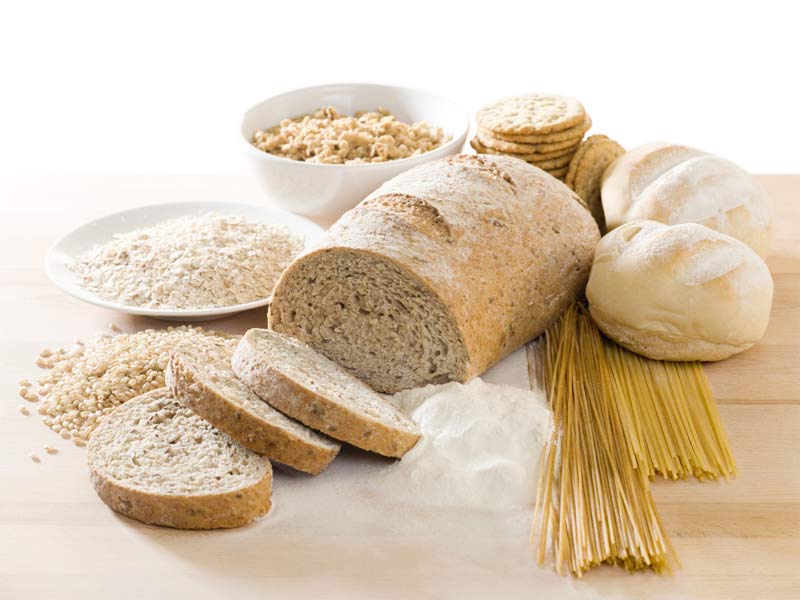

Cooking for a Child with Coeliac Disease

Posted on

Coeliac disease is a condition that affects someone’s ability to digest gluten. It is similar to a wheat intolerance, but not the same. More and more people are being diagnosed with coeliac disease every year, and it is as yet unknown as to whether this means more people have it, perhaps due to changes in the modern diet, or whether it is simply that doctors know more about the condition now and are better able to spot it.

If your child has been diagnosed with coeliac disease, the good news is that they can lead a perfectly normal life, free of the uncomfortable symptoms, as long as they avoid gluten in their diets. Gluten is usually found in wheat based products, such as bread and some cereals, however it is also used as a filler in all kinds of other things like sauces and even ice cream, so to make sure your child has a diet that will stop them experiencing coeliac symptoms, you have to be very careful what you buy and cook.

what-is-coeliac-disease

Whole Foods Are Best

Whole foods, that is, things that you eat in their natural state without any real processing at all, are best in every sense, and using whole foods means you are far less likely to inadvertently introduce any gluten into what your child eats. Meat, fish, vegetables and eggs are all good whole foods to use for meals. Simply buy things like chicken and fish that have not been coated or breaded, cook them in any way you like, and serve them with vegetables. Carbohydrates don’t have to come from breads, there are plenty of great whole foods that will provide the energy your kids need, such as potatoes, rice and fruit. Certainly, you will have to cook meals from scratch rather than buying ready made meals or processed things like chicken nuggets or fish fingers, but there are lots of dishes that are simple to prepare and that kids love.

Substitutes for Gluten Based Foods

One of the hardest parts of living a gluten free life is not being able to eat bread or cake type products. Fortunately, with coeliac disease and gluten allergies now fairly common, there are plenty of widely available ranges of products that are gluten free, and you can get them in your local supermarket. Gluten free biscuits, cakes and other sweet treats are available, so your child won’t have to miss out on dessert, and you can also get gluten free versions of things like ketchup that kids love. As well as looking out for these gluten free products, there are also some normal substitutions you can make. Using corn based tortillas instead of bread will allow you to make gluten free wraps your child can eat instead of sandwiches if they need a packed lunch (though check the labels when you buy anything like this to ensure they really are gluten free – sometimes gluten can appear in unlikely recipes, but if something is gluten free it will always be labelled as such). You can also do things like take your child’s favourite pizza toppings and put them in an omelette instead of on a pizza base, allowing them to get the same flavours without the gluten.

When They Are Not At Home

You can’t really control what your kids eat all the time, and sometimes when they are invited to friends’ houses or parties, or go out with their school, they will need to make some of their own choices about food. It is important that they understand the reasons why they can’t eat certain foods and that they will feel ill if they do, so they do not see them as simply not being ‘allowed’ and therefore appealing to eat when you are not around! You should also make sure the parents of your child’s friends are aware of their dietary requirements, and their teachers also know about them if they are to be eating out on a school trip or other occasion.

Cooking for a child with coeliac disease is a lot easier than you may think when you first get the diagnosis, and you should soon find that you and your child get used to it and it becomes a normal part of life.

Featured guest post

Related Posts Plugin for WordPress, Blogger...