Dealing with sleep deprivation as a new parent

Posted on

If you’re a brand new mum, you may be wondering if you’ll ever get a full night’s sleep again. Babies are wonderful, but tending to one 24/7 can unwind a parent’s circadian sleep clock. Lack of adequate sleep is not only bothersome; it can be downright dangerous. In the interest of happier families everywhere, here are a few helpful hints guaranteed to make it easier for new mums & dads to deal with sleep deprivation.

wk1_blog3 (1)

Circadian rhythms and what they do

Circadian cycles are the natural patterns of sleepiness and wakefulness that are important to good physical and mental health. Sleep experts at Stanford University note several disorders of the brain’s natural sleep-wake rhythms, including jet lag, shift work sleep disorder, and delayed sleep phase syndrome. Although none of these are quite so severe as the major sleep disorders outlined by the Mayo Clinic (sleep apnoea, insomnia, narcolepsy, and restless leg syndrome), new motherhood sleep deprivation can come as a major shock to the system. Throw in heightened anxiety as you fret about tending to the needs of your baby, and recovering from the ordeal of child birth - and most of us will enter a stage of exhaustion we never quite knew existed.

The first nights with new baby

If you get a chance to spend a night or two at the hospital or birthing centre after delivery, go for it. Take the time to learn from the experts, and rest as much as you can. Nurses will completely understand the trauma you have faced, and will look after your little one while you recover from the birthing process. They’ll have a million tricks up their sleeves to help soothe your little one and encourage longer sleep cycles - from helping baby get a better latch, to swaddling.

Share nighttime parenting duties with your partner if you have one. Although breastfeeding mums will inevitably find this job-share a little harder, it can still be done. Get dad to triage baby (change their nappy, rock them and rule out everything but hunger) before presenting them to you for a feed. Try to regularly switch up the schedule to give both of you a break - maybe taking alternate nights works best for your family, or a week on / week off set-up, or even tag-teaming night duties so no one is getting up alone.

Catch a few winks anytime you can

Experienced mothers advise new mums to “nap when baby naps”. For the first few weeks, this may seem like a chaotic sleep schedule, but it’s proven to work, especially for mums who don’t manage a full eight hours at night. When company comes to call, forget about playing the perfect hostess and don’t be afraid to ask your guests to enjoy interacting with your newborn while you retreat to the bedroom and close your eyes. Your friends will appreciate all those newborn snuggles, and you’ll wake feeling refreshed.

If your newborn is fussy, a nice ride around town might lull them to sleep. This trick works for a lot of new parents and it could work for you, too. Secure your cranky baby and their car seat in your Chrysler Pacifica or other family vehicle and go for a nice long drive. Country roads with repetitive vistas and less traffic tend to work the best in my experience. Then sneak back home, carefully liberate baby from their car seat and deposit them back inside their cot - trust me, this is an art form but you will get progressively better at it as you become more desperate for sleep!


If nothing else, just please go easy on yourself. New mums learn the ropes of motherhood naturally, and what works for some, might not work for others. Don’t frantically hit Google and expect every solution to work, or torture yourself by reading stories of how other new parents are successfully netting 8 hours night after night - they might simply have calmer babies. If you can’t sleep now, don’t worry too much. It won’t be long before your baby (and you) sleep through the night.
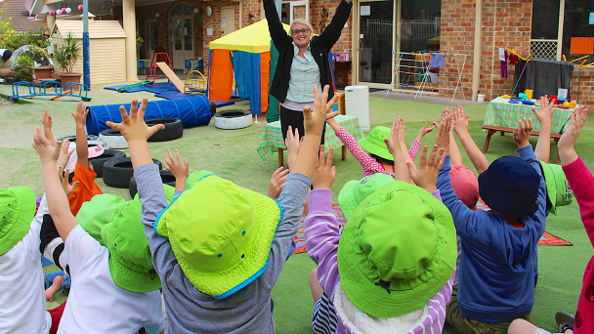



Helping your child to socialise

Posted on

Capture

One of the most important skills you can teach your child, is how to socialise with their peers. Although it’s easy to assume that this begins with toddler classes where they are introduced to other children, in reality it begins in the home. In fact, in order to encourage your child to be a happy and productive member of society, it is important that these skills are nurtured and developed from their very first interactions with others, whether they are members of the family or friends. There’s a whole host of reading out there that helps you understand the skills your child develops through the different stages of their childhood, but here’s a few ideas for how to socialise your child in their formative years.

Becoming Adaptive

Choosing a nursery for your child can be quite overwhelming. There are many different types of nurseries, offering different hours, experiences and curriculum. As with everything nowadays, the internet is a great place to start. Pop “kindergarten near me” into Google and the results will show a number of childcare facilities local to you, including preschools, nurseries and children’s centres. You can then check out their websites to see their mission statements, the facilities on offer, and placement availability. Make a shortlist then call to arrange viewings taking a list of key questions so you know exactly what you are getting for your money, and what your child can expect.

Being able to socialise and integrate with others in a nursery setting will allow your child to become more adaptive to their surroundings. The fact you are not there, allows them to gain a little early independence, and also improve their confidence outside of their home environment. Each of us is on a journey through life that sees us encounter many different situations, with many different people, so it is important that we are adaptive, tolerant, and aware of the impact our actions have on others. A good nursery leader will help your child navigate these principles.

A Greater Chance Of Happiness

It has been shown through studies that children who are less socially adaptive are less likely to form intimate and long-lasting connections as an adult. By starting early, and teaching your child the social skills that they will need throughout their life, you are equipping them with the tools they require to have a happy and fulfilled life. The more opportunity your child has to interact with others outside of their normal circle, the better their socialisation skills will become.

A greater propensity for learning

Happy and confident children also have a keen appetite for learning. If your child is angry, aggressive, or frustrated, they are likely to be less productive at school. It is vital you communicate to your child that people are good at different things, and to be not be disheartened or jealous of others, instead, be proud and happy in yourself and other children will look to you as a friend. It is heartbreaking for parents to see their child shunned by their peers and isolated and lonely within the classroom, so ask your child who they played with daily. If a particular name crops up regularly, organise play dates outside of school to allow these early relationships to flourish.

Build Confidence & Communication Skills

One of the most demonstrable benefits of maturing social skills, is seeing your child’s confidence increasing, as well as their ability to communicate. A talkative and inquisitive child will hopefully have a hunger for knowledge, giving them the perfect start for their academic career. It is important to give children the best start possible in life by instilling a thirst for knowledge in them, allowing them to grow and develop, and find their place in our society.


Providing your child with plenty of social experiences will only benefit them as they negotiate the trials and tribulations of school-life. School days are not easy, especially when hormones kick in, or when confronted with moral and ethical dilemmas. So when all the groundwork is done, the single most important thing we as parents can do, is remain supportive and provide an open communicative home environment for our children; a haven from the excitement and drama of the playground. With this in place, you can’t go far wrong.


9 items every parent should provide their toddler growing in independence

Posted on

Toddler

Seeing your baby grow from baby to toddler is an exciting time. Not only do you have one of the most interesting times in child development to watch, but it’s amazing seeing your child slowly increase in their independence, even just a little. This is truly a time to treasure. This is also probably the time in their life where they’re likely to start having tantrums for no reason. They don’t call this age the ‘terrible twos or terrible threes’ for nothing.

But how can you best prepare for this age? This will be a much different time to looking after them when they were a baby. You can’t just place them on a playmat or in a cot, give them some food and make sure they’re burped to keep them happy. It’s likely your child is starting to toddle about on their own, and using your entire house as a climbing frame.

This is natural, but it’s also something to watch out for. Your safety considerations need to be more focused, and doing a quick checklist of things to buy to protect your child is instructive. Here are just some of the things you might want to consider purchasing throughout this time.

Booster Seat

Once your child grows out of their baby car seat, you’re legally required to purchase a certified booster seat for your car. It’s a good idea to never buy these second hand (just in case they’ve been in an accident), and instead, fork out for a brand new piece of equipment for peace of mind. Ensure that the belt clippings are sturdy and that the child can sit in it comfortably.

The seat you’ll need at this stage will have a seating area and a backrest, but as they get older, you’ll be able to detach the backrest. Using a booster seat is unavoidable. If you don’t, you can be fined for negligence, so make sure you tune the seat to the needs of your child. Also make sure the belt isn’t too tight or too loose but fits against your child’s chest with firm yet slightly flexible security.

Stroller

The baby stroller just won’t be as useful as it once was. If your child is learning to walk, there’s a likelihood that they’ll try to be as independent as possible and flat out refuse to use your expensive old travel system. This affords you an opportunity to purchase a collapsible stroller, which can be useful for a plethora of reasons.

It will not only fit in the car’s trunk easily, but it’ll be lighter to manoeuvre around when in use. It’s still important to carry blankets and rain covers with you dependent on the weather. Even with this addition, the stroller is likely to be incomparably lighter than your first pushchair.

Again, it’s a good idea to get a stable, new model, as opposed to one second hand. Kids are notorious for finding the weaknesses in anything they’re exposed to, so ensure the structural integrity of your stroller upon purchase and you can be sure it’ll last the whole of your child’s toddler years.

Closed Cups

As your child gets older, they move away from breastfeeding or milk solutions and instead prefer a wider range of drinks. With their increased strength and growing maneuverability, they’re likely interested in handling the cup themselves. For reasons I needn’t insult your intelligence with here, handing them a standard cup or glass isn’t a great idea, and neither is an open topped plastic cup. Toddlers just aren’t as careful as they think they are.

You can get around this eternal problem by purchasing a few closed cup bottles. These allow you to close the top with a rubberized security feature that will allow them to feel grown up without throwing blackcurrant juice all over your white carpets. Be sure to wash them often and regularly, preferably in a dishwasher that steams the rubber, as this is the most hygienic method of bacteria removal.

Potty

Once your toddler is starting to potter about and walk semi-independently, this will be a great time to begin potty training. Help them onto the potty at first, and help them keep upright. This will allow them to understand the basics of posture and keeping themselves upright during the process.

However, not every toddler can get this right first time, which is why it’s wise to also purchase:

Training Pants

Training pants are used similarly to nappies, except these are less focused on having a tight seal and more focused on the easy removal and donning of the pants. This allows your child to get to grips with the basics of underwear and removing them akin to an adult for trips to the loo, except if an accident happens, they’re equally easy to rip off. It’s worth buying these in the same quantity you bought your nappies… for all too obvious reasons.

Shoes

If your toddler is now walking independently, no matter how successfully, it’s time to buy them their first pair of shoes. This is a fantastic and historical moment, so celebrate it! Find shoes online or take them to get fitted to help build their excitement. Remember, as their feet grow, this will end up being an all too regular purchase, so use a Schuch voucher code to help you cut the cost. Providing your child with a comfortable and secure mode of walking needn’t be expensive! Also be sure to assess the clothes they need regularly because you can expect growth spurts quite often if you’re feeding them well.

Art

With a subheading like that, you might be thinking “why should I buy a renaissance painting for my toddler?” What we actually mean is buying art crafting tools for them to use, simplified in a way that reduces the mess around your house. They’re too young to begin playing with paints, and they’re like to use crayons to write on your walls. Every parent has a similar story of this happening.

Instead, try opting for mess-free watercolour options. There are now many products on the market that allow your child to draw on a wipeable canvas with pens designed to work on that surface and no other. If they colour outside of the bounds of the picture, you won’t get a marker pen on your carpet. This is a great compromise for your child’s enjoyment and your peace of mind.

Sink Booster

Just like a potty, your child should learn the entirety of the toilet training process. If they’re walking around, you’ll need a sink booster that raises them off the floor by around 8/10 inches. This should allow them to get a height advantage and reach the sink themselves. Be sure to teach them the difference between hot and cold so they don’t burn themselves, and attend them for the first few months of them using the taps.

150701_10151609573437190_869728287_n

Toddler Toiletries

Despite the fact that your toddler is growing, you can’t yet give them your toiletries to use and save money. The ingredients used in these products are harmful if they get in your toddler’s eyes, and can be irritating to their skin. Instead, much like you did when you were taking care of a baby, shop around and find washing solutions that have a neutral PH and are eye-friendly. Also, if they’re starting to grow their first teeth, buy a small toothbrush and some child’s toothpaste that has a nice taste. Help them slowly learn to brush their teeth bit by bit, one at a time as they grow.

Seeing your baby grow into a toddler is a beautiful time. Not only do you have many developmental milestones to witness, but here is where you’ll get a taste of the personality that your child has. Enjoy these times, because they’re often over faster than you’d realise.

… Finally, be sure to take plenty of pictures to embarrass them with in front of their first boyfriend/girlfriend as they get older! It’s the circle of life.


Related Posts Plugin for WordPress, Blogger...