Introducing a dog to a household with young children

Posted on

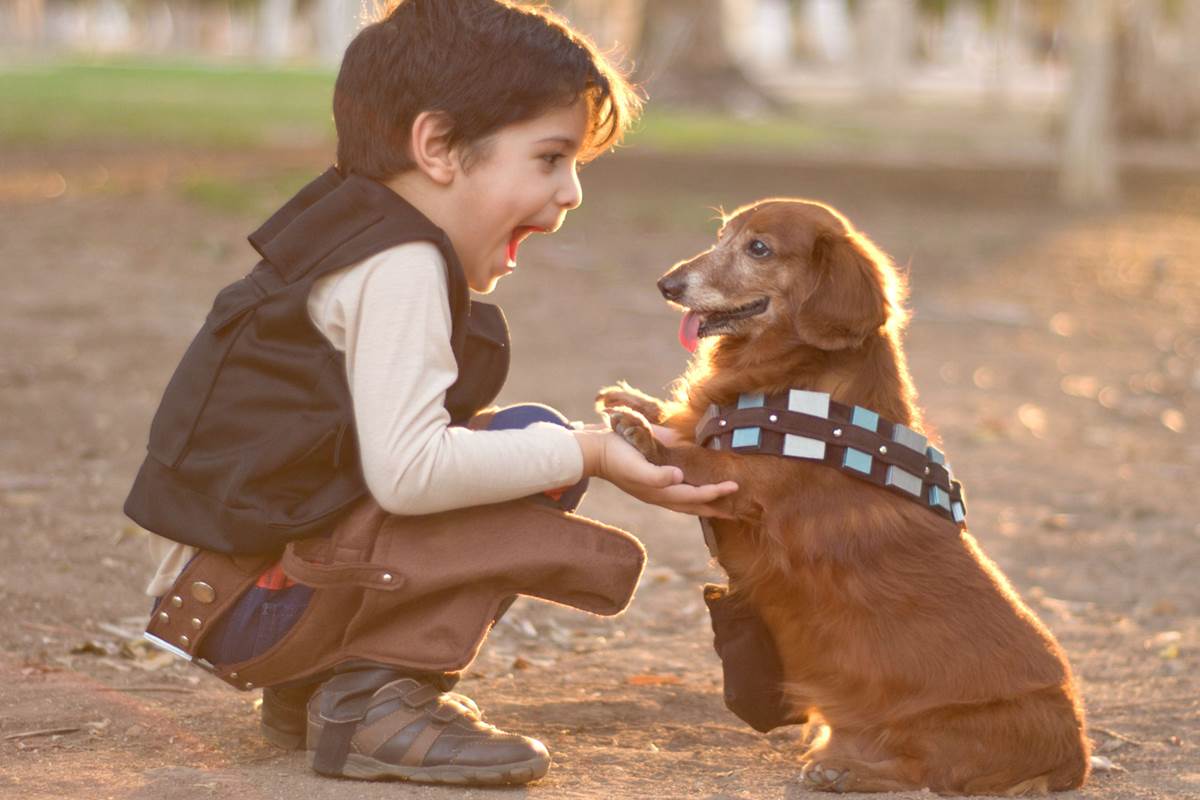
Having just bought our very first home together, Craig and I have had lots of conversations about pets recently. Owning our own home opens up so many possibilities not afforded to us as tenants, and a dog has been on our wishlist for a very long time. As the kids are so young, I’m at home full-time, and the new house is close to a conservation area popular with dog walkers, everything seems to be just right. But how will the dynamic change when we introduce a new (albeit considerably hairier) family member to the household? What, if anything, do we need to know before doing so?
151125-kid-with-dog-yh-1230p_a1d5c6f352b67e37690c51559fbcc4cc.nbcnews-fp-1200-800

I’ve never had a dog before, but Craig had a Golden Labrador called Jason as a child. By all accounts they were the best of mates and Craig enjoyed all the responsibilities that came with dog ownership. But this was the 1970s, when dogs walked themselves, and young kids ran through fields at night to call them back home. Things look very different nowadays, and I’m likely to have social services on the phone if the kids leave the house without me. So, wanting to arm myself with all the facts, I had a chat with natural dog food retailer, Feedem, who took the time to walk me through the many benefits of letting the kids grow up with a pet.

Exercise

If you get a dog, the overall health of your family is likely to improve. Dogs need regular walks come rain or snow, so there’s no excuse for not pulling on your wellies and embracing the changeable British climate. Whether you’ll be lapping a reservoir, or taking the kids to a playscape with an excitable dog in tow, you better be prepared for an outdoor lifestyle and all the messiness this entails.

With increased fitness, comes weight loss and a better immune system to fight off bugs. Although my children are bang on weight-wise, an NHS report has found that in England, 10% of children in their first year of school are obese. I’m heading that way myself, so a dog should help me work off those pesky extra lbs.

little-kids-big-dogs-friendship-photography-andy-seliverstoff-6-5866182244c44__880

Responsibilities

Not only will the introduction of a dog engender a compassion and respect for animals, children will also become more accountable. Learning and assisting with the dog’s routine will (hopefully) give them a sense of what I do everyday as a parent! In fact I’m planning on getting the kids involved with every aspect of caring for our new pet - feeding, grooming and walking will be tasks undertaken by everyone in the household, not just Mummy!

Companionship

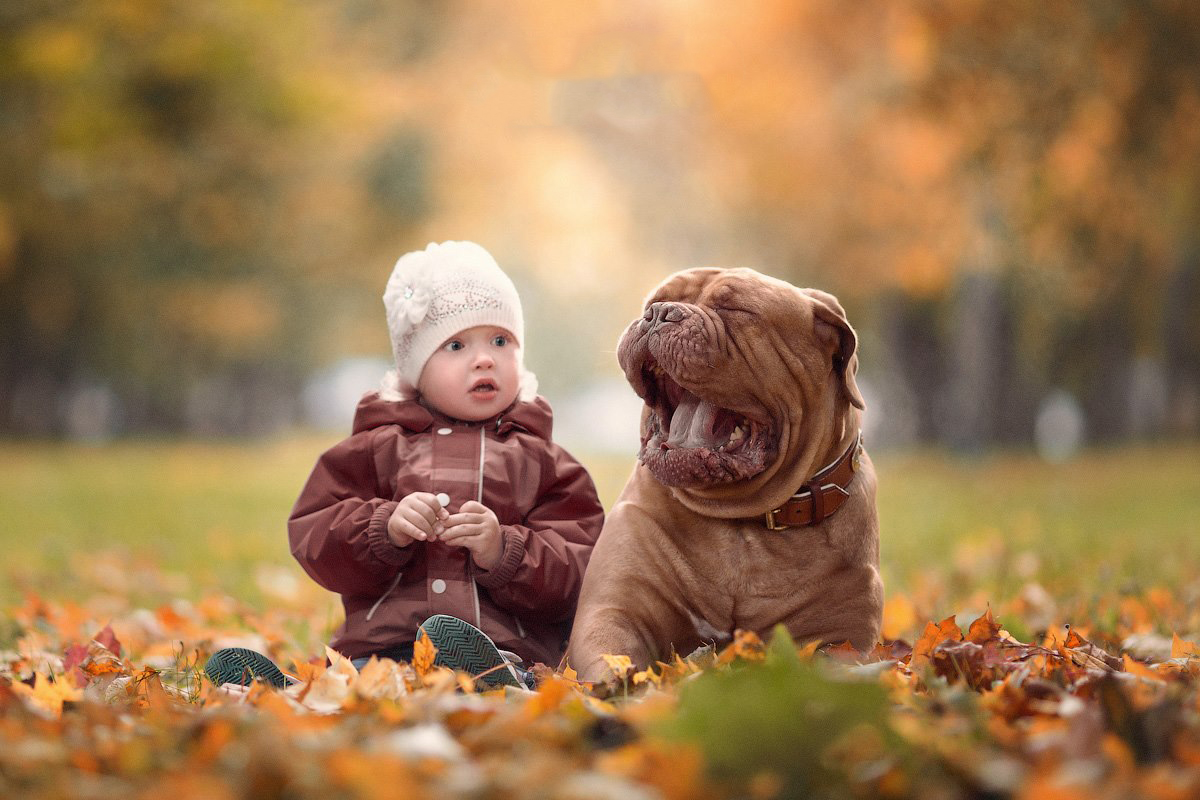
Interestingly, when a recent study asked a group of 5-year-old pet owners were asked what they did when they felt sad, angry or afraid, over 40% alluded to their pets. The implication is that having a pet has a positive impact on a child’s emotional development; helping them overcome periods of anxiety, self-comfort, and work through dilemmas. Obviously, the stronger the emotional bond between child and pet, the more pronounced the advantages will be, so we’ll be focusing on dogs with a milder temperament that enjoy being cuddled and fussed over.
little-girl-big-dog

Funnily enough another study reveals that dog-owning children also exhibit advanced literacy skills. The idea is that children feel more comfortable reading aloud to a pet than they do another human being. I’ll believe this when I see it, but it’s a really lovely thought.

Allergies

Given Craig has severe allergies, we’ve been focusing on dog breeds that don’t shed (or smell!). I suspect there’ll be a bit of sneezing when we first introduce a dog, but hopefully these will taper off when his immune system gets used to it. More interesting will be how the kids get on allergy-wise. As of yet they are completely untested, having not spent any prolonged period of time around dogs in their lives.

Studies have been carried out to establish the impact of having pets while your children are younger on allergies. Some have established that children who are exposed to pets at a young age can develop more severe allergy symptoms, while others have shown that the exposure has a protective effect with regards to allergens. I guess we’ll soon find how my two fare.

These are just some of the considerations to bear in mind if you are thinking of introducing a dog to a household with young children - but I’d love to hear some of your real-life experiences. Drop me a comment below if you think there’s something else I might need to know.

How Having A Family Pet Aids Child Development

Posted on

It goes without saying that a pet can bring so much to a home. They become part of your family offering companionship, unconditional love and a fun cuddly playmate! But it also goes far beyond this. They will actually help your child learn skills for later in life and aid their development in ways you may not have realised.

Animals are beneficial for your child and yourself, providing a more harmonious family dynamic and lowering stress for everyone. They have so many benefits in fact, that horses are used for ‘equine therapy’, whereby they facilitate in improving the emotional well being of both children and adults. Likewise, studies have shown that children with autism have made substantial progress related to social interaction when they spend time with a pet.

billy1

My old cat, Billy. Much missed.

If having a young child has made you weigh up the pros and cons of having a pet, here are a few reasons to add to your pros list! Pets are not only a welcome addition to your home they are actually beneficial to the physical, social, emotional and cognitive development of your young children.

  • Your pet will teach your child to care for something other than themselves as well as responsibility,which will grow confidence from having something that relies on them. Are they hungry? Do they need to go outside? Do they require some attention? As kids learn their pet’s needs it will also teach them empathy, as they think about what they can do to help.
  • A fun learning experience that teaches them simple tasks, from keeping their water or food bowl topped up to grooming or walking them.
  • They become a child’s best friend, offering a confidant when they feel no one else will listen. They provide comfort; when they are sad or angry they can turn to their pets for support without receiving any judgment.
  • Socialises them and increase verbal skills. Just by being there your pet offers your child the opportunity to practice socialising and talking with another beings.
  • Keeps them healthy, outside running around, not always inside sitting in front of the TV or a computer game.
  • The pet will also help them to develop self-esteem from the praise they receive for looking after them. Studies have also shown that animals can boost academic skills, with pets being a far better reading companion for a child to practice with than an adult.

Your son or daughter’s development can be aided by a range of pets, in particular the much loved pooch! You know the saying dog is man’s best friend, and it’s true they form a bond that you just can’t get with a goldfish!

If you’d like to be greeted by a wagging tail every time you enter the room then check out the Freeads Puppies for sale listings to start the process to becoming a dog owner. Whether you go for a Labrador or a Chihuahua, make sure you look into it thoroughly as a pet is a huge commitment and you need to ensure you get the right one for you. However, once you have found the appropriate addition to your family, the joy and benefits of having a pet will last for years.


The Common Sense Guide to Feeding Dogs and Puppies

Posted on

Dog owners receive lots of well-meaning but wrong advice about feeding their furry friends. Of course, when in doubt a veterinarian should have the final word about how to feed your pup – not the chap down the street who claims to have cared for dogs all of his life. Even in the digital age where most of us have access to Google at the flick of an app, many dog owners still believe in common misconceptions about what a dog should eat and when.

god+review

Clearing Up Some Misconceptions

Dogs and puppies need to be fed every day. This may seem like unnecessary advice, but there are still many dog owners around the world that claim dogs should only be fed six days a week! Knowing when food will arrive lowers the stress in a dog’s life considerably. Further to this, dogs suffering from hypoglycaemia need to be fed regularly or they may become severely ill.

Puppies are not born knowing instinctively what foods are good for them and what are bad for them. If dogs and puppies had their way, they would eat anything and everything. It is up to the owner to provide the best complete dog food available.

Feeding Puppies

Puppies are like babies in that they need far more frequent feedings than adults. They also need specially prepared puppy food, and not adult dog food. This is because puppies have different nutritional needs than adults whilst their bodies grow. Here’s a basic guide according to a puppy’s age:

  • From eight weeks to four months: Feed four times a day.
  • Four months to six months: Feed three times a day.
  • Six months onwards: Feed twice a day.

If you have a large breed or deep-chested breed of puppy, like a Great Dane or a boxer, it is VERY important to observe the puppy during and just after eating. Dogs with deep chests and narrow waists may bloat, a medical emergency which is potentially lethal.

To help avoid bloat, purchase a raised dog feeder so the puppy does not have to bend his head all the way down to the floor in order to eat. Eating in the head down position can cause the puppy to gulp air which can trigger an attack of bloat.

Many puppies become easily car sick. Some puppies will outgrow this but some will not. In order to avoid a puppy becoming sick in the car, avoid feeding right before setting off in the car. It’s best if the puppy rides in a crate or pet carrier to keep as still as possible in the car. Bouncing about encourages motion sickness.

brownsbanner

Feeding and Exercise

Both puppies and adult dogs should be fed their main meals at least one hour before or after periods of major exercise. Full stomachs exposed to lots of sudden motion can result in sickness - kind of like us humans twerking after a 4 course meal! Dogs or puppies prone to bloat may become more susceptible to attacks if fed too close to periods of exercise.

Feeding Adult Dogs

Dogs should be fed at least once a day, preferably twice a day. Some dogs may refuse breakfast depending on the weather or their personal preference. Pet food adverts show dogs eating from brimming food bowls. This is too much for most dogs. Dogs should be able to polish off their meals in twenty minutes. If the dog leaves premium dry dog food in the bowl, then feed less.

Dog stools should be firm and brown. They should be easy to pick up and not make a huge mess. If the dog’s stools are loose or discoloured, choose a new complete dry dog food. Stick with one brand like Brown’s Dog Foods to avoid tummy and bowel upsets.


Related Posts Plugin for WordPress, Blogger...