Creating a positive home environment for children

Posted on

A child’s first learning institution is their home & it goes without saying that a calm and nurturing home environment plays a vital role in the growth and development of children. A stable home life is very likely to translate into calmer, more emotionally adjusted children with a greater propensity for learning. Parents therefore have a huge responsibility to create a safe, loving and supportive home for their children, regardless of the day-to-day stresses in their own lives. However obvious they may seem, here are some simple modifications you can make within your home to create an optimum environment for raising a family.

13227208_10153529943452190_9039767773903817811_n

View your home as an educational space

It’s easier than you might think to promote learning at home. Even the most mundane of household chores can be turned into a learning opportunity; Simply sorting toys with preschool children can act as an early introduction to patterns and maths, whereas setting toy treasure hunts for school-aged children will encourage problem-solving and is a great boredom buster to boot.

The longer you can engage you child with learning at home the better, but naturally this is far more challenging with sulky teenagers. However, simply asking plenty of questions about school can help you identify subject areas where your child might need a helping hand. If you are financially able to (and your child is agreeable), you might then want to find tutors who can help address any deficiencies and build your child’s confidence.

Modify your behaviour when under stress

In today’s world, parents are likely to be carrying around significant stresses and burdens. The importance of managing stress should not be understated. If you have money-worries or a problem at work, allowing this to affect your temperament at home, can unwittingly have an adverse effect on your child.

Arm yourself your breathing exercises and take regular time out when your experience periods of high stress. As yourself everyday if you have hugged your child, or told them you love them - don’t allow your stress to create a communication gap between you. Try also to temper your anger when dealing with bad behaviour. If you have a partner at home, support each other with disciplining your child, and strike a deal that the other will step in and help manage the situation if tempers appear especially frayed.

Deal with conflict with your partner away from your children

There is no better way to teach your child to respect other people, than by positively demonstrating these qualities yourself. Whilst it is completely unrealistic to expect arguments and disagreements not to crop up between you, try to park these until the kids have gone to bed. Simply say “we’ll talk about this later shall we?” and walk away. Never complain about one another to friends when your children are present, and do not expose your relationship woes on Facebook. If nothing else, this looks childish and tacky.

Get a grip on your finances, and be open with your children about them

If you have money troubles, confront them head on. Allowing your finances to get out of control will create a stressful environment for your child even if you gone out of your way to shield them from the problem. Instead, try informing your child that money is tight this month and the direct impact this has on them. Let them become part of the solution; perhaps they can pay for their own treats this month by doing chores for extended family members, or selling any unwanted toys at a car boot sale. This will empower your children and show them how to approach their own finances responsibly.


There you have it. Happy parenting guys! If you have any other tips on creating a positive home environment for children, share away by leaving me a comment. I’m the first to admit I often struggle.


Caravan holiday parks: A Family Survival Guide

Posted on

Cara2

We all love a holiday and, sometimes, a simple break from our busy and demanding lives can go a long way to building the strength and appreciation within a family unit.

Caravan holiday parks are a favourite family getaway for us Brits because it’s an energising adventure for children; they can be outside, in the fresh air, exploring and playing. Even better, happy children are much more inclined to have an early night which gives parents the perfect opportunity to relax and enjoy some peaceful adult time too.

The key to successful vacations at caravan holiday parks is preparation and organisation. Nothing could be more stressful than arriving at your destination and forgetting essentials like towels or the babies’ bottles, or realising upon arrival that you’re situated in an adult’s caravan holiday park with three children looking for entertainment.

To avoid all this unnecessary hassle and ensure a fabulous family holiday, creating memories and enjoying each other, follow this simple guide for a stress-free time in caravan holiday parks.

Research UK caravan sites with lots of fun activities to do to keep the children occupied. There are tons of caravan holiday parks, in the UK and beyond, making it easy to find a location that tailors to your needs. The beauty of a holiday park is that all your needs and wants are catered for within one place. Does your child like to swim? Make sure there is a swimming pool. Is your toddler an explorer? Find a site with parks and trees.

Cara1

Don’t pack unnecessary clunky items like a high chair, the last thing you want to do is clog up walkways in caravans. Take a plastic sheet or mat instead of a highchair and if it’s a warm time of year, put the sheet outside and eat meals on the grass. It will be a fun adventure for you and your children and they are bound to enjoy a break from the restrictiveness of a high chair for a while.

If it’s a colder time of year, place the sheet on the floor in the caravan and eat on the chairs provided, the sheet will prevent any accidents from causing lasting damage and you won’t need to worry about cleaning up afterwards!

If your child is just beginning to walk or crawl, remember to take your baby gate. The fall from the door of caravans has the potential to be dangerous to your newly exploring toddler - the last thing you want is a fall and a trip to A&E on a holiday. In fact, the first thing to do once you arrive is to child-proof your caravan. Make sure everything within reaching distance is screwed down and move/relocate anything that could fall or be pulled over. With these precautions, you can happily allow your little one to toddle or crawl around the caravan without worrying.

Pack thin towels - especially for caravans that are located near a beach or that have a swimming pool. Thick towels take far too long to dry out and as we all know children can be rather indecisive; they may choose to be in and out of the sea or pool and the last thing you want is them shivering in a soaking wet towel. Light and thin towels are perfect for drying out quickly, again and again.

Meal times can be stressful enough at home with young children. Holidays in caravans are an excuse to break all of the rules and give your children a break from dinner table policies. What better way to do this than a family picnic? If it’s warm weather, an outside picnic is a perfect way to appreciate the scenery around you. So self-catering families will want to pack plenty of appropriate picnic foods (foods that do not require cutlery are best like sandwiches, mini sausages, scotch eggs, apple slices, grapes and other finger foods). Keep everything in light, resealable containers to keep them fresh.

Most importantly, don’t forget to enjoy yourself! The holiday is a break for you just as much as it is for your children. Take some time to talk to your family, away from the rush and demands of usual day-to-day life; you will really appreciate some quality family time. Like anything in life, preparation is everything - it’s totally worth it to guarantee that memorable and fun family holiday you will all be talking about in years to come.


Why care homes shouldn’t be regarded as a last resort

Posted on

There aren’t many positive news stories about care homes. I’m not suggesting it’s not newsworthy to report when their standards fall short, or we shouldn’t name and shame workers who provide unacceptable care, but are all care homes really as dreary and depressing as the media would have us believe?

I’ve had occasion to visit a dozen care homes recently. Having sat down with my Nan and asked her how she would like to spend her later years, she was surprisingly upbeat about the prospect of selling her townhouse and moving to a residential care home. Having lost Granddad, she’s lonely in her home, and although my brother and I have looked into modifying our homes to accommodate her, she’s very insistent she wants to retain her independence. Personally I think my children are a little too young to respect her personal space and frailty, and my home is just too loud and chaotic to offer her the peaceful and restful environment she craves.

activities

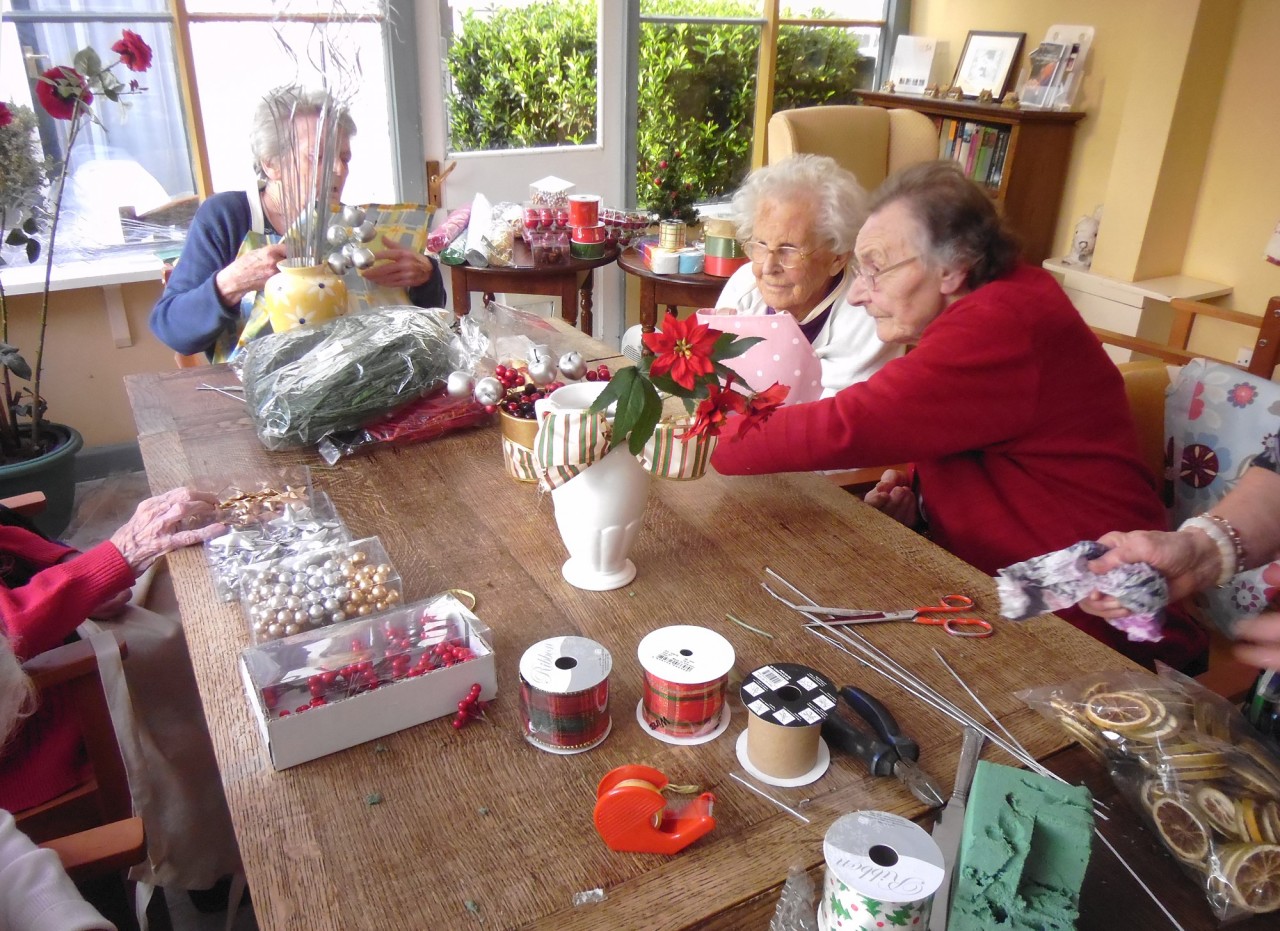
Her criteria is modest. She only wants a large sunny room, with a peaceful view. She’s still very glamorous and takes her inspiration and energy from the world around her, so anywhere too clinical definitely wouldn’t suit. She’s also incredibly sociable and wants plenty of company, so a buzzy activity-packed environment is preferable to one more tranquil.

Although the limited experience I’ve had of these places had been all mismatched G Plan furniture, scruffy staff and battle-worn patients, I tried to stay optimistic when I first hit Yellow Pages. We have an ageing population in this country, and care homes are now big business. People like my Nan are prepared to pay sizeable sums to get the supported living they require, in attractive environments tailored to their tastes and needs. So contrary to popular opinion, care homes are not simply God’s waiting rooms - there’s real choice out there when it comes to assisted living - for all sorts of different budgets.

So what can you expect if your loved one decides to make the move?

Well for one, you get peace of mind that their needs are being met - whether that’s help with preparing food, feeding, using the bathroom or taking medication. My Nan is frail, and at 82 is showing signs of senility and dementia. Right now, the family are taking it in turns to visit and assist her in her own home - which means helping her with all of the above, and staying on top of her housework. We’re not resentful, the kids love being there, I love being there - she’s not a burden to us at all, but sadly I think she’s becoming a burden to herself. It scares me that she might forget to take her pills, or indeed take too many, or even that she might be sat uncomfortably in her chair having not made the toilet.

carehome_2

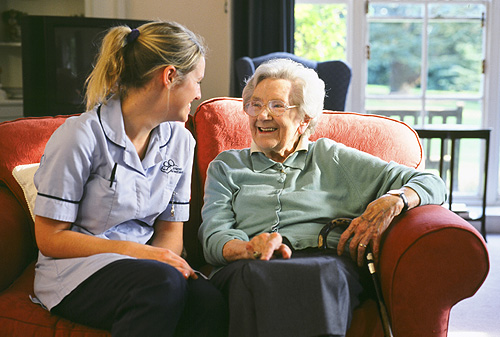
Secondly, they’ll get lasting companionship. A good care worker isn’t simply there to pour drinks and help your loved one to stay clean. They’re a friendly face in the morning, afternoon and evening, and someone your mother / father / grandparent can trust with their secrets, ailments, fears and memories. Then there are other residents, all with their own personalities, and their own tragedies and stories. Knowing my Nan is lonely, this gives me real peace of mind.

So I’m determined to make this next chapter in my Nan’s life one filled with positivity and adventure. Hopefully she’ll go on to create lots of new friendships and memories, and we can relax a little more in her company and make every moment more worthwhile and special. She’s a very special lady my Nan, and I’ve never been more convinced that this is the right move for her, and us.


Related Posts Plugin for WordPress, Blogger...