
For anyone looking to pick up a new yoga mat, it is important to understand there are differences between a yoga mat and a conventional aerobic mat. While it is possible to perform yoga on just about any surface, there are some finer aspects of the yoga mat that need to be understood to enhance performance and ensure your safety.
Thickness
Yoga mats are far thinner than aerobic mats. In fact, a yoga mat will range anywhere from a half centimetre all the way up to two centimetres thick - though the majority of yoga mats are on the thinner side. An aerobic mat is going to typically range from two centimetres up to six or even eight.
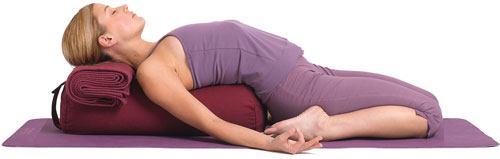
While performing aerobics, there is a good deal of jumping and moving around. The extra padding makes it easier on the knees and other joints of the body, cutting down the impact to the body. Conversely, with yoga, movements are less aggressive and frenetic. They’re held for longer and the transition from one to another is slow and deliberate. You’ll need to hold poses steady, and something that is especially thick is going to cut down on the grip you have on the mat. If there is less connection between body and surface, it increases someone’s chance of losing their balance.
Grip
Grip is equally important on a good quality yoga mat. They should feature a textured surface on both sides so your bare skin can hold to a pose without slipping. As yoga can also deliver a high-intensity workout, there’s also a risk of sweating onto the mat. Inevitably, if this happens the risk of slipping increases. The grip neutralises this issue, so whether a person is perspiring or not, they should have no problem holding their pose.
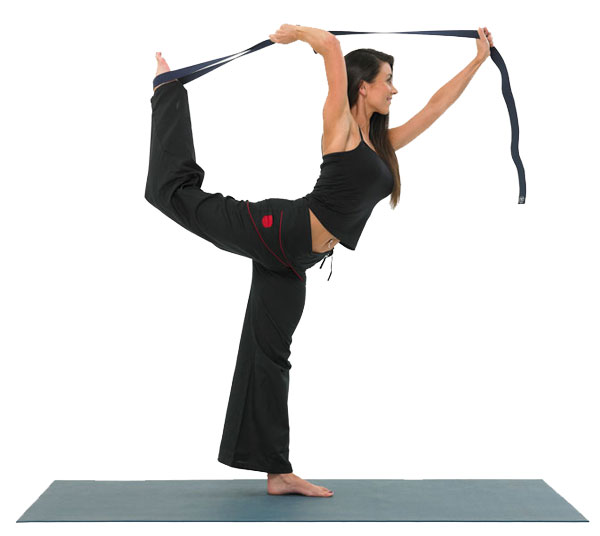
Conversely, an aerobic mat usually has a smoother foam-like surface. People performing aerobic movements are generally not holding complex poses with a single foot or hand. Instead, they need a surface that makes it easier to perform quick fluid movements and transition between positions quickly and easily.
A Few Other Mats
There are several other mats out there that are specific to the kind of exercise and movement you’ll want to perform. A Pilates mat (almost the combination of yoga and aerobics) offers the same grip as a yoga mat but it is slightly thicker, to protect the body while performing the faster Pilates movements. Beyond this, there are heavy duty exercise mats which are usually found at gyms, schools and other workout clubs. These won’t roll up like a yoga mat as they’re designed to cover a larger surface area.
Whilst shopping for mats you might also come across “puzzle mats”, which have interlocking pieces that fit together. These are excellent mats for a home gym as they’ll best fit to the space you have. Their thick absorbing properties are also fab for load-bearing if you have heavy equipment. Whilst they might not provide the same cushioning as an aerobic mat, nor the grip of a yoga mat, for someone looking to cover an entire floor for a home gym, it’s a great option.
As mentioned above, whether you’re a beginner or a pro, best practice is to use a mat specifically designed for yoga. Yoga Mad have an extensive range of high quality yoga mats that’ll ensure you’re both safe and comfortable whilst you contort and flex. Whatever your preferred form of exercise, it’s worth taking the time to get the right equipment so you get the very best out of your routine.
