Kitchen trends for 2016

Posted on

We’ve been in this house now since September. It’s been a godsend in terms of the school run, but Craig isn’t happy here. For all of Craig’s qualities (of which there are many), perhaps my favourite, is his love of cooking. We’ve been together for almost 5 years, and I can count the number of times I’ve cooked dinner on one hand. Just as well, as my track record isn’t great; I’ve set fire to a communal kitchen at university, and once infamously hospitalised several friends when I unsuccessfully followed one of Jamie’s 15 minute recipes.

The thing is, Craig is pretty unhappy with the new galley kitchen. We struggle to both fit in there at the same time, and he’s been feeling increasingly isolated whilst cooking. Now, rather than finding it a great way to de-stress after work, we’re eating food with minimal prep time and I know this is because he’s falling out of love with the whole thing.

Spontex-Baby1The only person who fits comfortably in our kitchen, is Heidi

So… rather than move again (I think 6 times in 5 years is a bit much) - we’re extending the kitchen into the dining room. Having lived in a similar house before, we know this is a much better use of space. It’s a really exciting project, but one we need to get right. We need something that works for the entire family, is easy to keep clean and bright and functional to double as a workspace for the kids when they start bringing back homework.

Handily I tumbled on an article by kitchen worktop specialists Mayfair Granite who have compiled some of their kitchen trend predictions for 2016. It seems 2016 is going to be the biggest year for the kitchen since the reemergence of the Shaker style in the late 90s. Just as well as I fancy going bold with our kitchen interior, I’m bored of sterile-looking kitchens and want to flood this room with light and texture.

Here’s some of my top picks from their list:

Large-format tiles

Tiles have always been a popular choice for kitchen floors as they are hard wearing, easy to clean and available in a wide range of colours. I think Craig and I are pretty much set on tiles and I love the idea of less grout lines and a cleaner look through using bigger tiles. This really appeals to us as our kitchen will open straight onto the garden through french doors - keeping the floor clean with two preschoolers is therefore a major challenge.

Colourful Cabinets

Contrasting cabinets are also set to to be big this year. Combining different colours, textures and materials into one room will give the overall design depth and produce an eye-catching and exciting space.

By the same token, open shelving is also predicted to be big this year, and this looks stunning if done correctly. A major departure from the bland soul less kitchens of late, this means you can make a feature of dishes, glassware and cookware by storing in open view. Not only does this maximise space, it also encourages you to cull unattractive bits and live minimally. As in the example below, it’ll also increase the amount of light in the room and therefore give the illusion of more space.

Luxurious Worktops

Granite and Quartz worktops have always been a popular choice for the kitchen due to their durability. With a variety of grades, effects and colours available, they also contrast well against block-coloured cabinets. Fortunately advances in production and cutting techniques now mean that granite and quartz worktops are more affordable and be cut to size for even the trickiest project. Dark greys and blacks are trending right now, perfect for creating a luxurious look, although I’m more inclined to pick a lighter style to better reflect the light.

Colourful Sinks

Much like kitchen cabinets, sinks are trending away from basic white and stainless steel. The bright and vibrant colours now coming onto the market are a great way of adding a splash of colour and creating an eye-catching focal point. Of course, similarly, coordinating this with cabinets and appliances also creates a more cohesive look.

Pendant lighting and LED strips

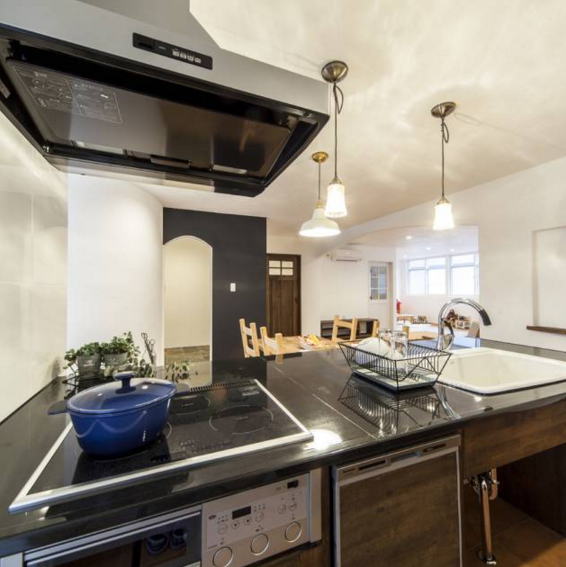
Lighting is key to balancing ambiance and function. Thankfully harsh strip lights and recessed lighting are on their way out this year and 2016 will see trendsetters opting for pendant lighting and under cabinet lighting instead. In fact, LEDs are the only change we’ve made in our kitchen since moving in and they’ve been great for quick tasks in the evening when you don’t need Blackpool illuminations to see what you’re doing.
dd

I’m also loving the trend for pendant lighting this year - especially in industrial materials such a copper and steel. Popping these over a dining table casts brilliant pools of light for eating and working, and if hung at slightly different levels they make a dynamic feature in their own right.

Bold Appliances

hh

People rarely move beyond standard coloured kitchen appliances, tending to go safe with either white black or stainless steel. I’m all for colour though and just love this bold and brash SMEG fridge. In fact SMEG are soon to get a real run for their money as there’s murmurings about some budget brands bringing out colourful retro ranges too - making this trend available to the masses.

What do you think? Are any of these kitchen trends for 2016 jumping out at you?


Exterior cladding: Which is best for my home?

Posted on

Image by Dmitriy Kruglyak via Flickr

The look and feel of our homes is evolving as we continually improve and update the technology we use. External cladding plays a big role in how your house appears and how it fits in with your local landscape. In terms of curb appeal, it can really make or break your home. Not only this, it needs to be durable and deliver in terms of heat retention, sustainability and cope in a variety of weather conditions.

Different types of cladding invariably offer different benefits. If you’re currently renovating the exterior of your home, or you have ambitions to build your own house, here’s the skinny on all the different cladding options available to you.

Types of external cladding and their benefits:

An extremely popular choice is timber. It has adaptable qualities and can be cut to any size cost effectively making it a practical option for any homeowner. Exterior cladding should be durable and stand the test of time - timber can be treated in a variety of ways to better hold up to the tough weather conditions of your locality. Aesthetically you can also paint it to the colour you wish so it better fits into the environment. Remember though, once you paint you will have to maintain it regularly to keep it looking presentable.

Brick veneer is another incredibly popular choice, particularly here in the UK. Us Brits have traditionally favoured brick builds so brick veneer is likely to fit more closely in with your neighbours. As it camouflages to your wall it remains completely undetectable, and also requires very little upkeep.

Weatherboard is a man-made cladding that has the flexibility of being placed horizontally or vertically depending on the look you’re after. It is the least pricey option of all the exterior cladding types and is specifically designed to withstand changeable weather conditions - a practical choice for here in the UK then!

Concrete external cladding is a budget-friendly option and undergoing somewhat of a resurgence as the industrial look is increasingly celebrated. Because they are produced under stringent factor-controlled conditions, you will get very high quality in terms of texture, colour, design, and more. This is a great option if you need something durable for the long-run as it’s among the most weather resistant of all cladding types and requires virtually no maintenance. Concrete is resistant to rain and strong winds and if you live somewhere that also gets very cold, will also withstand freeze and thaw cycles.

One of the more creative types of cladding is stone. As manufacturers keep adding to the styles and designs, you can shop at increasingly affordable prices. Stone cladding also allows you to choose your favourite faux stones at a fraction of the price with a similar effect to the real thing.

External cladding can really bring your home to life and provide numerous benefits years down the line. Have you any experience of cladding your home?


Ideas For Where To Place Your Designer Radiator In Your Home

Posted on

Learn the best places to put radiators so they either blend perfectly into your home’s décor or become a focal point in their own right.

Capture Image by Satyrika via Flickr

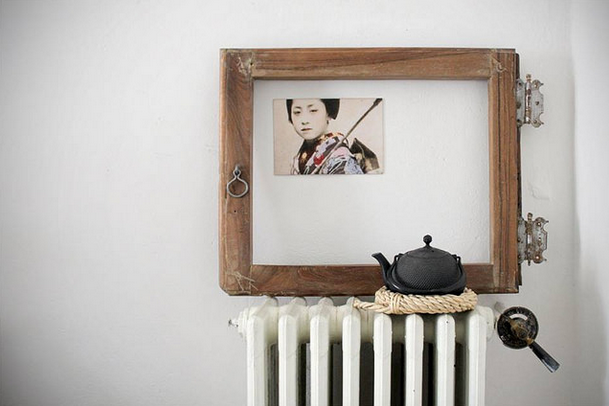
Having a designer radiator in your home can be a stunning focal point if you choose wisely. In fact, it can lift the feel of your room and perfectly complement a room’s existing décor.

There are a number of different styles and designs to choose from online. Some sites have such an extensive catalogue of designer brands that just choosing can bring on a headache. If you are on the lookout for your ideal radiator, you can find a large variety here at www.radiatorfactory.net. Here you’ll find a large selection of beautiful column radiators, along with other types, that are sure to suit your interior design project.

Once you have decided which one will provide the most effective heating for your room size, you are ready to go! Only one thing is left to do: figure out exactly where it will go in your home! Let’s face it, if you’ve just splashed out on something highly decorative, you’ll most definitely want to show it off! You don’t have to be an expert in interior design, in fact we have devised some basic tips on where to place your radiator so it can best complement a room’s décor:

  • If it’s a small column radiator, these work well in hallways. Right behind the entrance of your door is great because you can then build a shelf on top which is perfect for storing letters, the home phone, and any keys. This makes it multi-purpose and everyone who sets foot in your home will see your new designer radiator.
  • Consider placing a decorative radiator in the centre of your living room. This is typically where your fireplace would go if you had one. The fireplace can be the focal point of your living room but once you go designer with your radiator, these work beautifully in the centre too. Having a lovely mesh cover can also give you the chance to work in-line with your current furnishing and decoration. If you want to check which styles are recommended for this purpose, there are plenty of column radiators to choose from online.
  • If your designer radiator has a cover – place it in a traditionally-styled room. This is a fantastic idea as it really blends in with the old-fashioned ambience of grand traditional rooms. Slatted front radiator covers work particularly well as they allow your radiator to better circulate heat around your room.
  • Horizontal radiators work great in a bathroom setting. Placing one next to your bath or shower can look modern and contemporary, as well as being a complete space saver!
  • How about underneath a window bay? If you have window bays, it’s a brilliant idea to place the designer radiator directly underneath. This way it blends into your wall (especially if it’s the same colour) so offers you a more subtle look.

Hopefully these tips have fuelled your imagination with a few ideas of where to fit your new radiator. Good luck.

Related Posts Plugin for WordPress, Blogger...