If you’re an expectant mum nearing her due date, your nesting instinct is probably setting in. Preparing your home for your new arrival is a top priority in the weeks before you give birth, and while the urge to don your overalls, get your paints out and start stencilling bunnies on the walls may be strong, you should probably take some time to plan before you start. To help you make your baby’s first bedroom as comfortable as possible, here are some things to consider.
Creating a womb-like environment
Leaving the comfort of the womb can be a shock to your baby’s system. To ease their transition into the big wide world, it’s a good idea to try to create a womb-like environment when preparing your nursery. While your child should sleep in your bedroom at night for the first six months, they are likely to spend a lot of time napping in their nursery during the day.

Warm, dark and quiet
To create the perfect baby habitat, think warm, dark and quiet. There are a variety of ways you can achieve this effect. For example, you can control light and temperature easily by using window treatments like CurtainWorld curtains and blinds that help to block out light and keep rooms warm during the cooler months and cool during the warmer months.

A noisy environment is likely to upset your infant so it’s best to set your nursery up in a quiet part of the home if possible. However, many parents find that white noise such as the sound of a detuned radio has a soothing effect on their tots. Some babies also find the sound of a ticking clock comforting as it reminds them of their mother’s heartbeat in the womb. These might seem like minor details, but ensuring you have little things like radios and clocks in your nursery can make life that little bit easier for everyone once baby arrives.
Baby’s first bed
Having somewhere cosy to sleep can be the difference between a calm, settled baby and a fussy one, so you’ll need to think carefully when choosing a bed for your child. Many parents go straight for a full-size cot but, since newborns are so tiny, a moses basket or carrycot that has been designed for night sleeping is more suitable. These small beds are a snugger fit and have the added benefit of being easy to move around. Since your new addition will be sharing your room to begin with, these small and highly portable solutions are ideal for those precious early days.
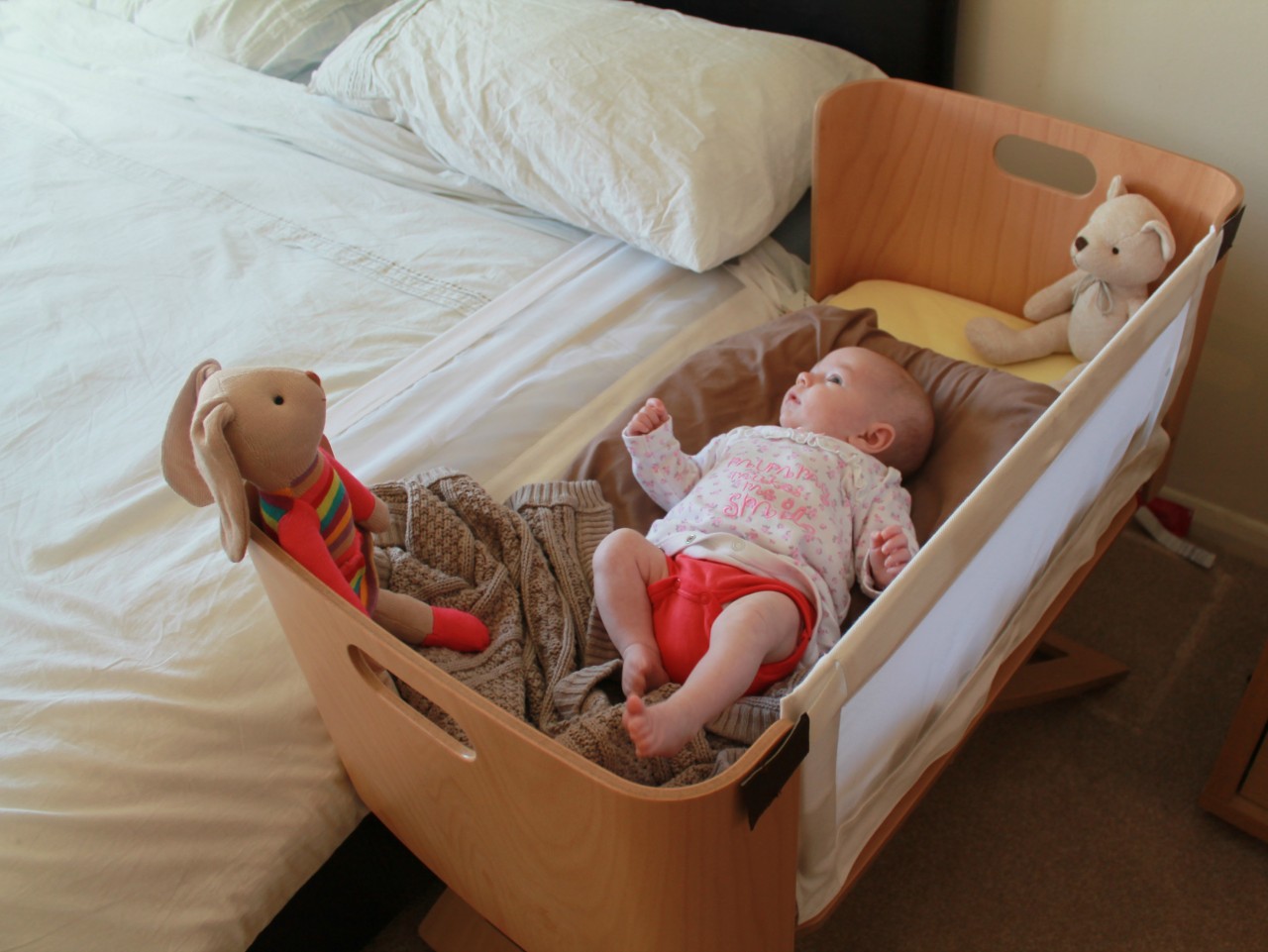
As time moves on
Time flies where babies are concerned, so many parents like to set up a crib or cot in the nursery before the due date to be prepared for when their bundle of joy is ready to move into their own room.
Safety first
If you want to set up your nursery cot, make sure you place it away from windows, blinds and curtains as hanging cords and draperies can cause strangulation. When your baby starts to toddle, there is also a risk they might climb up and fall through the window.
It may not be nice to think about, but it’s also important to try to reduce the risk of Sudden Infant Death Syndrome (SIDS). To do this, you should choose a cot with vertical bars no more than 6.5cm apart and a depth of at least 50cm. You should also get a new cot mattress that is firm and is a snug fit for your cot and ensure that it is kept clean and dry.
Make a list
As you can see, there is a lot to think about before your new baby arrives. To make things less of a chore, why not put your feet up with your partner, your mum or your girlfriends, make a list of everything you need and devise a plan of how you want your baby’s first room to look?







 ) and share it on Twitter, Facebook and Instagram with the hashtag #ttbigadventure. 10 winners and 10 runners up will be chosen every Friday for the next 3 weeks! For further details and terms and conditions